VPNs Explained: What They Are, What They Do, and Why You Need One
VPN. You've probably heard the term dozens of times. Maybe you've seen ads for them. Maybe your IT department uses one. But if you're not sure exactly what a VPN does or whether you need one, you're not alone. This is the plain-English explanation I wish I'd had when I first started working in cybersecurity.
The Simple Explanation
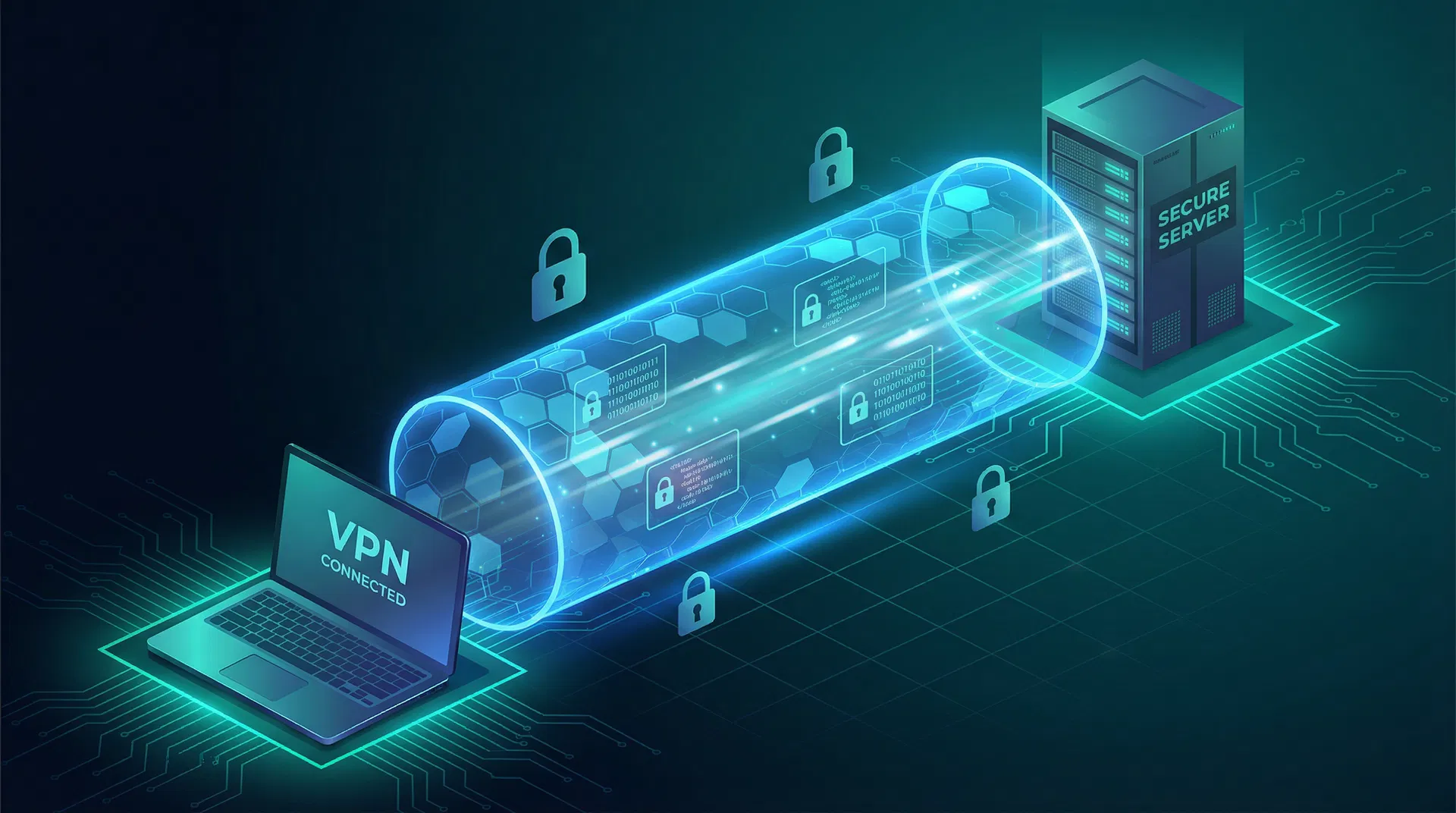
Normally, when you browse the internet, your data travels from your device to websites in a relatively open way. Your internet service provider can see what sites you visit. Anyone on the same Wi-Fi network can potentially intercept your traffic. Websites can see your real IP address, which reveals your approximate location. A VPN changes all of this by creating an encrypted tunnel between your device and a VPN server. Your traffic goes through that tunnel, encrypted, before reaching the internet. From the outside, all anyone can see is that you're connected to a VPN server — nothing else.
What VPNs Protect You From
A VPN protects you from several real threats: eavesdropping on public Wi-Fi networks, your ISP logging and potentially selling your browsing data, websites tracking your real location via your IP address, and certain types of man-in-the-middle attacks. It's not a magic shield — it won't protect you from malware you download or phishing sites you visit — but it's a meaningful layer of protection for your network traffic.
What to Look For in a VPN
Not all VPNs are equal. The key things I look for: a verified no-logs policy (meaning the VPN provider doesn't store records of your activity), strong encryption standards, fast speeds (a slow VPN is one you won't use), ease of use, and a kill switch feature that cuts your internet if the VPN connection drops unexpectedly. NordVPN checks all of these boxes and is the one I personally use and recommend.
Free VPNs: A Word of Warning
Free VPNs are tempting, but most of them make money by logging and selling your data — the exact thing a VPN is supposed to prevent. Some have been caught injecting ads into web pages or selling user data to third parties. A reputable paid VPN costs a few dollars a month and is worth every penny.
My Personal Recommendation
NordVPN is the VPN I personally use — it has a verified no-logs policy, fast speeds, and a simple one-click interface.
Bottom Line
A VPN is one of the most practical privacy tools available to everyday internet users. It's not complicated, it doesn't require technical knowledge to use, and the cost is minimal. If you're not using one yet, I'd encourage you to give it a try.