What I Learned About Public Wi-Fi the Hard Way
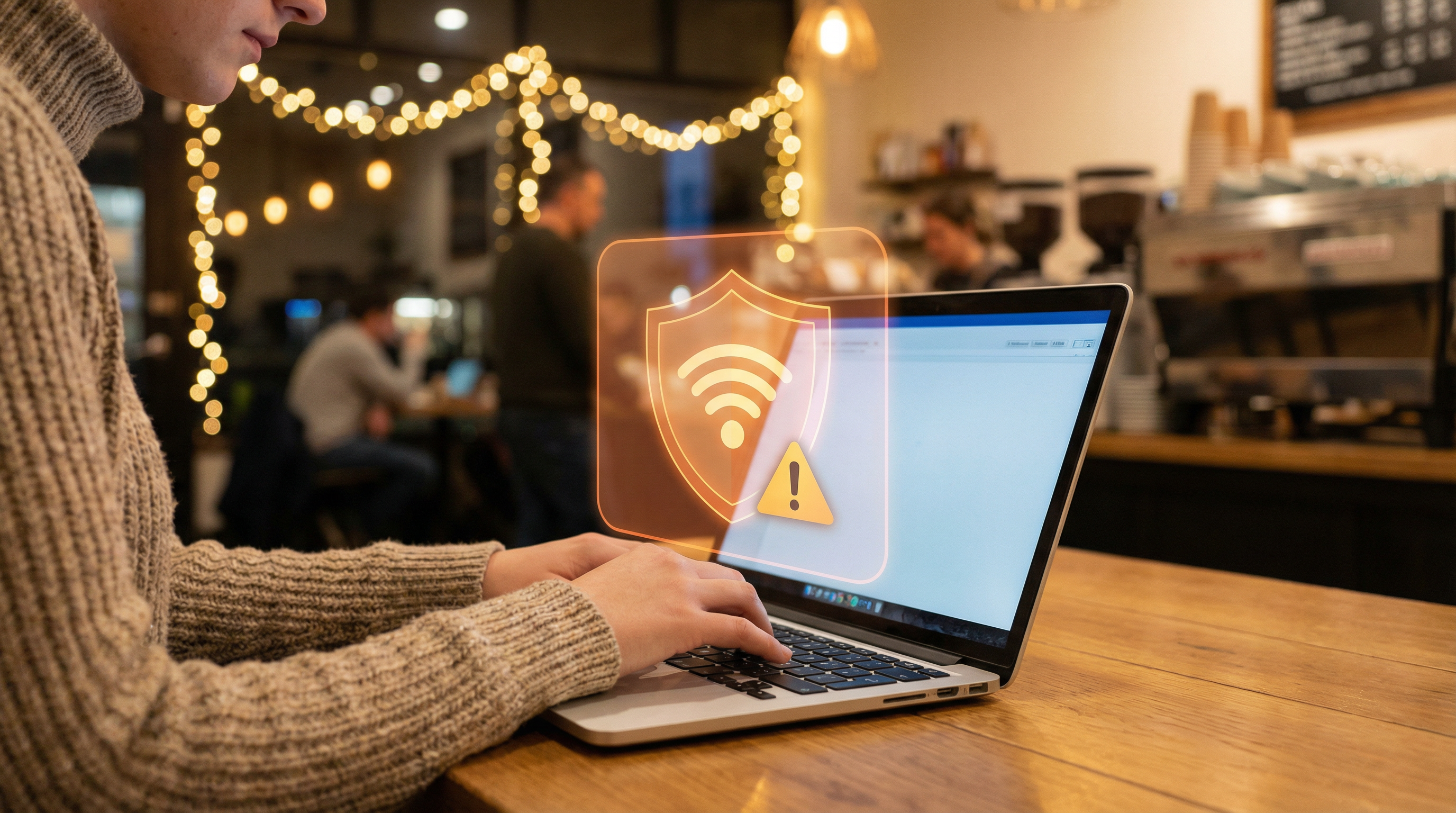
There's a moment of relief when you see 'Free Wi-Fi Available' at an airport or coffee shop. Your data plan is running low, you have emails to send, and there it is — free internet. What most people don't realize is that this convenience comes with real risks.
The Problem with Open Networks
When you connect to an open Wi-Fi network — one that doesn't require a password — your data travels unencrypted between your device and the router. Anyone on the same network with the right software (freely available online) can see that traffic. This includes websites you visit, data you submit in forms, and in some cases, login credentials.
Evil Twin Networks
One of the more insidious threats is what's called an 'evil twin' — a fake Wi-Fi hotspot set up by an attacker to mimic a legitimate one. You might see 'Airport_Free_WiFi' and connect without thinking twice, not realizing it's a rogue network designed to capture your traffic. I've seen these in airports, hotels, and coffee shops.
What I Do Now
My routine now is simple: whenever I connect to any public Wi-Fi, I turn on my VPN first. I use NordVPN, and it takes about two seconds to connect. With it running, all my traffic is encrypted before it leaves my device — so even if someone is watching the network, all they see is encrypted data going to NordVPN's servers. Nothing useful to an attacker.
Other Habits Worth Adopting
Beyond a VPN, a few other habits help: I avoid accessing banking or financial accounts on public Wi-Fi unless I'm on a VPN. I make sure websites I'm logging into use HTTPS (look for the padlock icon in your browser). And I've turned off the setting on my phone that automatically connects to known networks — that prevents my phone from joining a network without my knowledge.
Bottom Line
Public Wi-Fi is a fact of modern life, and avoiding it entirely isn't realistic. But with a VPN and a few simple habits, you can use it without putting your data at risk.