2022 Was a Record Year for Data Breaches — Here's What That Means for You
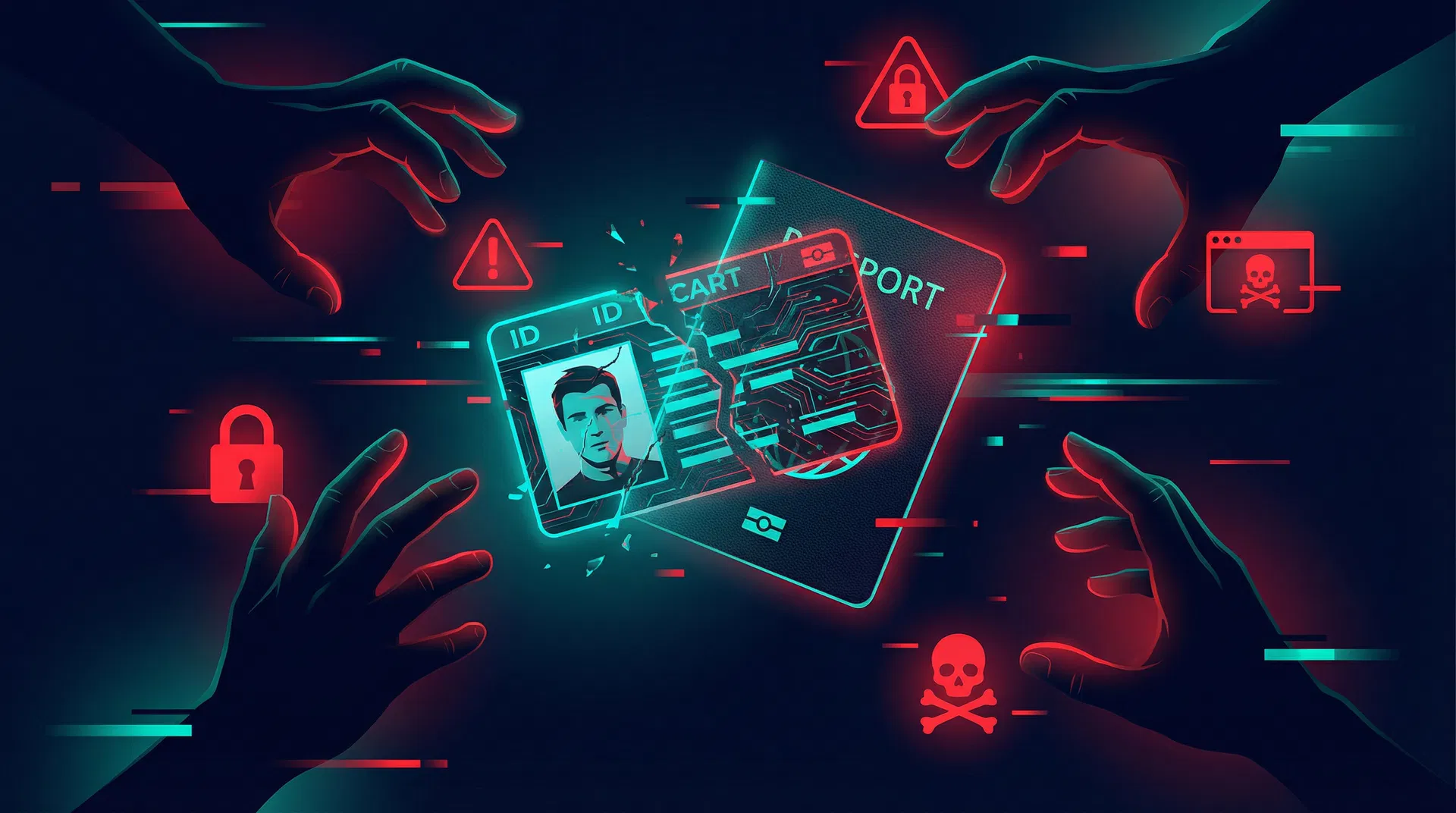
2022 set a grim record: more personal data was exposed in data breaches than any previous year. From major retailers to healthcare providers to social media platforms, barely a week went by without a significant breach making headlines. If you're wondering whether your data was caught up in any of these — statistically, it probably was.
The Scale of the Problem
According to the Identity Theft Resource Center, data breaches in 2022 exposed over 400 million individual records. That includes names, email addresses, passwords, Social Security numbers, financial account details, and medical records. The breaches affected companies you almost certainly have accounts with: Twitter, LastPass, Uber, Samsung, and dozens of others.
How to Check If Your Data Was Exposed
The best free tool for this is HaveIBeenPwned (haveibeenpwned.com), run by security researcher Troy Hunt. Enter your email address and it will show you every known breach that included your data, what type of information was exposed, and when the breach occurred. I check this regularly for all my email addresses.
What to Do If Your Data Was Breached
If your email and password were exposed: change that password immediately on the breached site and on any other site where you used the same password. Enable two-factor authentication if you haven't already. If your Social Security number was exposed: consider placing a credit freeze with all three major bureaus (Equifax, Experian, TransUnion) — it's free and prevents anyone from opening new credit in your name. If financial account details were exposed: contact your bank or card issuer immediately.
The Long-Term Lesson
The frequency of data breaches means we can no longer assume our data is safe just because we're careful about where we share it. The companies we trust with our data get breached. The practical response is to assume your data will eventually be exposed and build habits that limit the damage: unique passwords for every account (use a password manager), two-factor authentication everywhere possible, and regular monitoring of your credit and accounts.
Bottom Line
Data breaches are an unfortunate reality of modern digital life. The goal isn't to prevent your data from ever being exposed — that's increasingly out of your control. The goal is to limit the damage when it happens, and to make sure that one exposed password doesn't cascade into a much bigger problem.